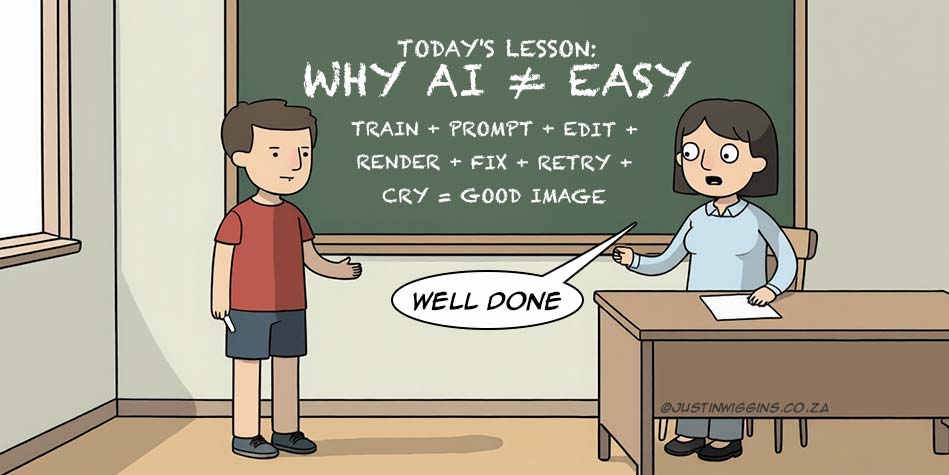
People often ask me to “just make something quick.” A funny image. A superhero version of their kid. Something lighthearted for a friend. They’ve seen what I can do with AI and assume it’s instant. Just click a button and there it is. And to be fair, I do make it look quick sometimes. But that’s exactly the problem. What most people don’t see are the months of building, testing, and fine-tuning behind the scenes that make it look easy.
Recently, I was approached to create a 40-frame storyboard for a commercial for an overseas company. The client sent me a set of sketches that looked like cave drawings done during an earthquake. That’s not a dealbreaker. Rough sketches are often part of the process. The issue was the level of specificity they wanted. Exact faces. Exact clothing. Precise frame composition. No flexibility. This wasn’t a concept they were after. It was a demand for fully developed visuals with no room for interpretation.
To get just one of those frames to that level of detail, I would’ve had to rebuild the sketch in Photoshop using stock images, composites, and references. Then train a model to replicate a specific face across different angles and lighting setups. That training alone takes time, GPU power, and the right setup. Only once that’s done could I begin rendering useful images. And then comes the fine-tuning. Adjusting. Refining. Matching their expectations.
After building the entire workflow, fine-tuning prompts, fixing nodes, and praying to the GPU gods for no errors… I sip my coffee, stare into the void, and wait for the render to finish.
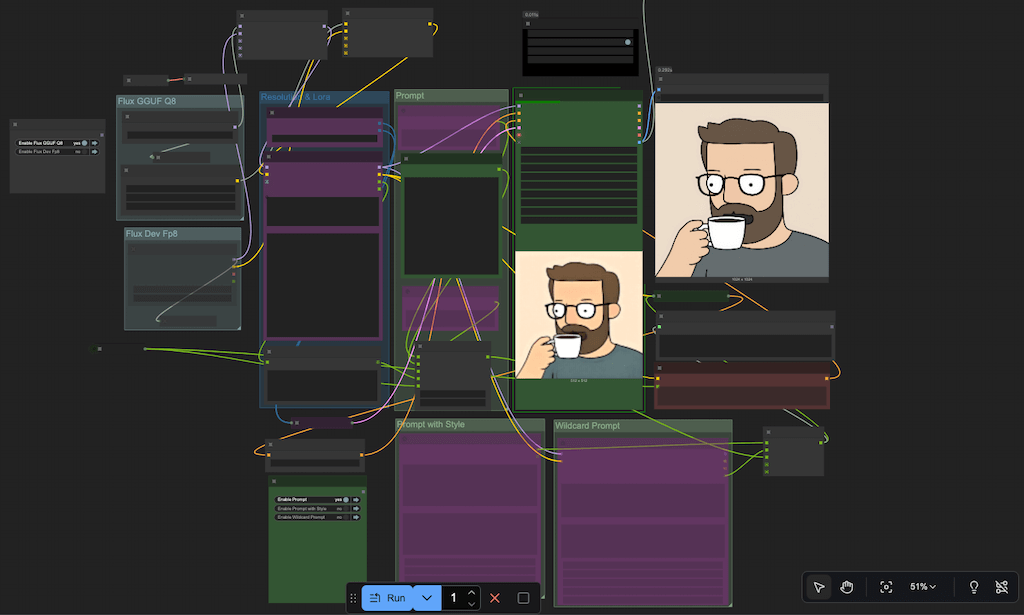
Now multiply that by 40.
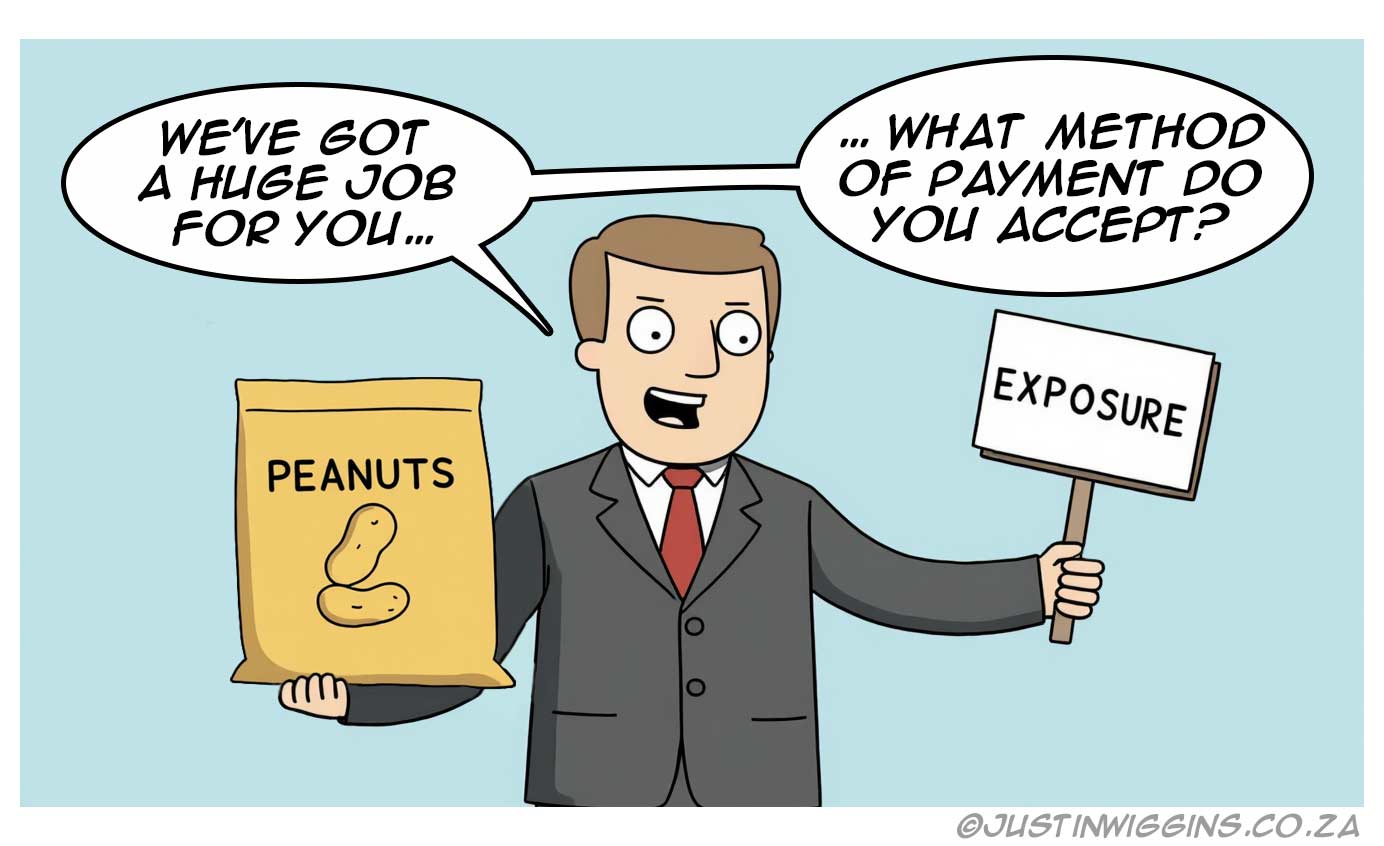
The budget they offered wouldn’t even cover the electricity my graphics card would use. And that’s just the rendering. It doesn’t factor in my time, effort, or the tools I’ve built. Rendering a single image is like switching on the air conditioner. It draws real power. When I render dozens just to get one usable result, the cost adds up quickly. Nothing about it is free.
I had to decline the project. Not because I couldn’t do it, but because it involved mountains of work that the client couldn’t see. They had only seen the polished final results and assumed it took minutes. The more refined a workflow is, the more effortless it looks. And ironically, the more people think it’s easy.
That’s what people miss. AI has been an amazing tool for me. It’s allowed me to take on more work, manage bigger projects, and still carve out time for myself. But the reason it works so well is that I’ve spent years developing that edge. Graphic design, coding, creative strategy, testing, and a whole lot of patience all go into making AI actually useful. It’s not just a button. It’s a blend of knowledge and constant refinement.
Even with friends, the misunderstanding shows up. In my WhatsApp groups, I’ve trained some of my friends’ faces. So I can generate hilarious, personalised memes in seconds. It looks effortless. Naturally, someone new will ask me, “Can you do one for me, my wife, and our kid?” expecting the same result. What they don’t know is that I spent months creating training data for those models. Back when I found a loophole on weights.gg that let me generate thousands of faces for free. That option no longer exists. Today it costs money, takes time, and requires a detailed setup. When someone says, “I’m happy to wait,” they don’t realise it’s not just about time. It’s about the entire process that has to happen before I can begin.
Websites are the same story. Many clients try to write their content with ChatGPT. But most of the time, the results are mediocre. The tone is off, it’s too wordy, or it sounds robotic. What I use is a model I’ve spent years building. It’s trained specifically to write short, clear, and effective content that connects with the audience. When I hand it back to the client, it sounds like them, only sharper. Most are impressed and only need to make a few minor tweaks.
Logos? I can usually spot an AI-generated one from across the room. Lately, clients are starting to notice as well. There are small imperfections that seem fine at first, but once you scale the logo up for print or embroidery, they stand out. Uneven shapes. Inconsistent spacing. Designs that look cool but don’t actually make sense. They might be visually interesting, but they often lack meaning, balance, and flexibility.
Sometimes AI gets thrown into the same category as tools like Canva. That’s another misconception. Canva templates are everywhere. You’ve seen them. Same layouts. Same font choices. Same icons. It’s like showing up to a networking event and five other people are wearing your exact outfit. Not wrong. Just forgettable. When people expect AI to give them something standout without any input or expertise, they usually get the same generic content everyone else is using.
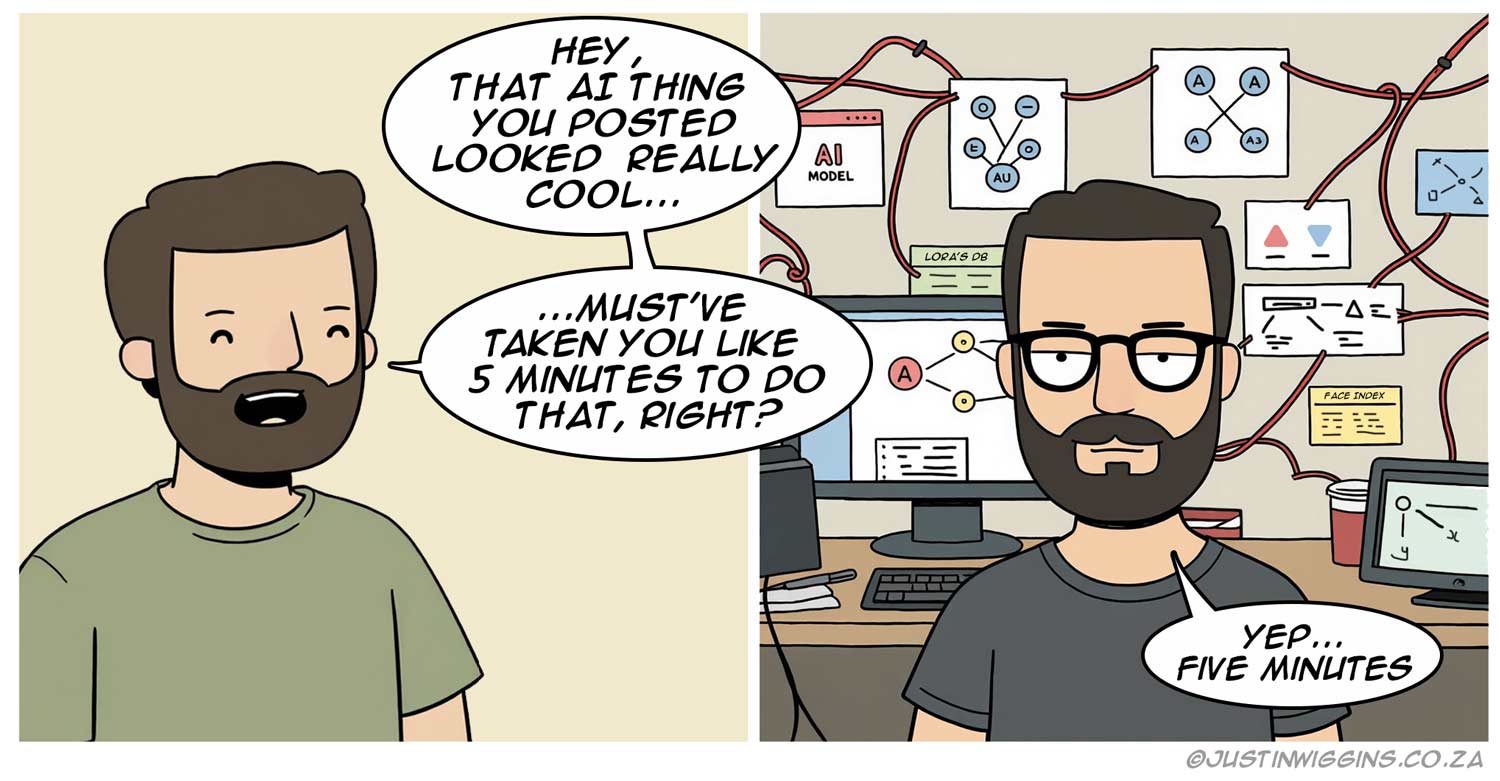
So yes, I use AI. Every day. It’s a core part of how I work. But it’s not magic. It’s not fast by default. And it’s definitely not free. It works well because of the systems and structure behind it. When AI is used by someone who understands design, training, workflows, and editing, the results can be incredible. But without that knowledge, it’s just a guessing game.
If something I make looks like it took minutes, it’s because I already put in the months it took to make it happen in minutes.
 About the Author